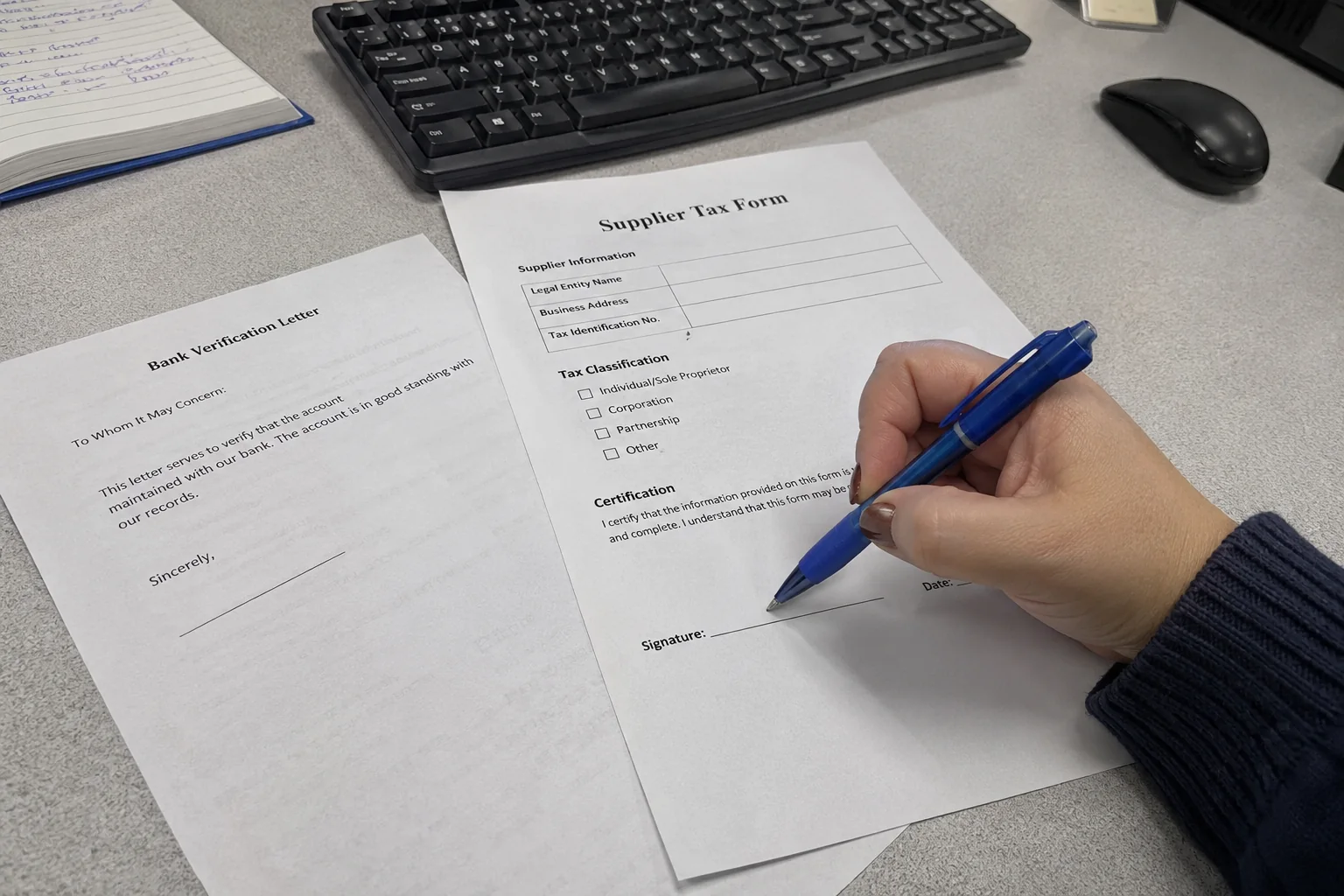
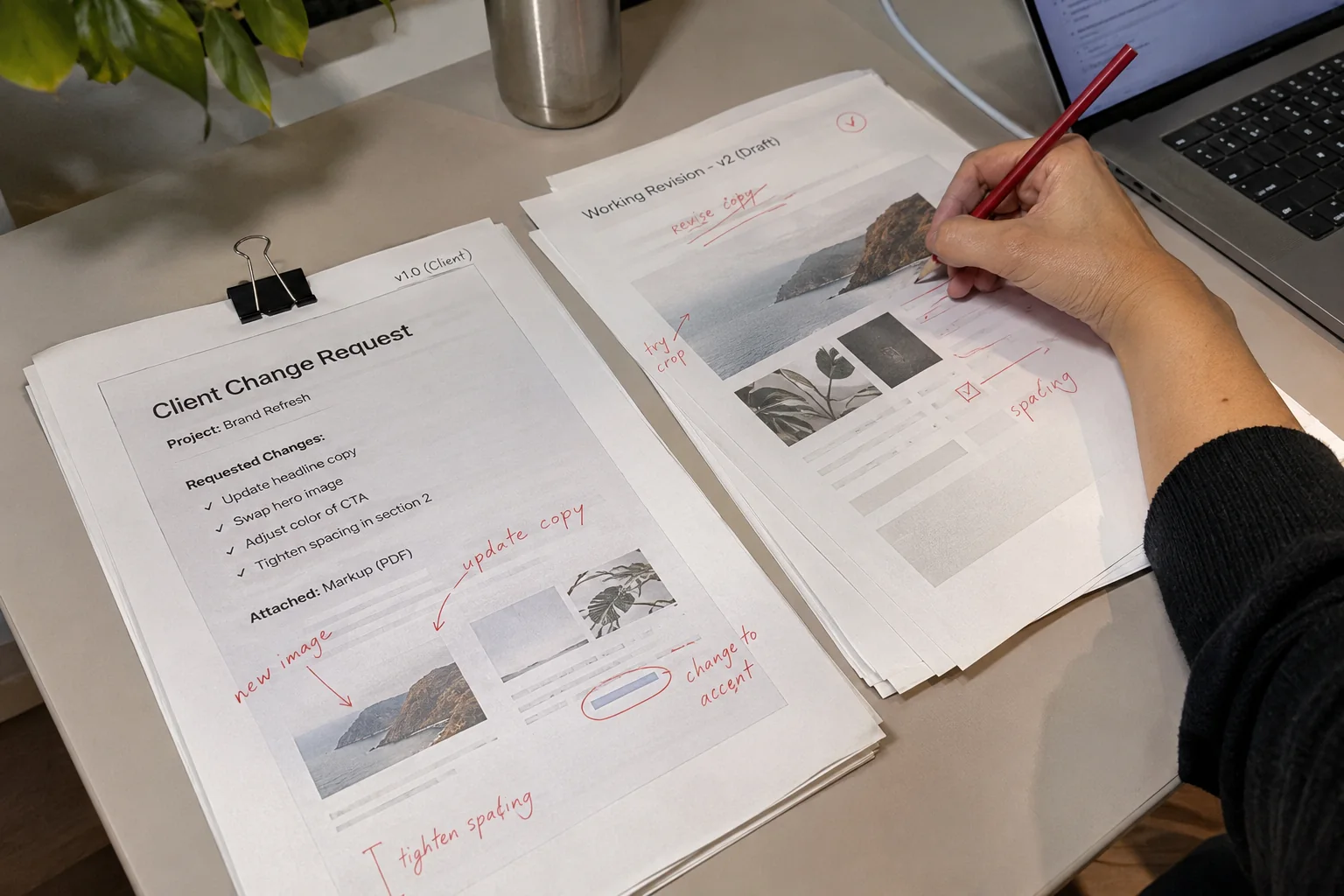
A commercial logistics firm indexed five years of standard operating procedures, proposal decks, and rate sheets into a vector database and put a chat assistant on top. When an account coordinator asked for the current refrigerated freight discount for a mid-tier client, the assistant retrieved three similar paragraphs from expired 2023 proposals and quoted a discount forty percent below current policy. The retrieval step found similar words, but it had no model of which agreement was actually in force.
Why linguistic similarity is not operational truth
Pinecone hybrid search combines retrieval signals such as lexical matching and semantic similarity. Filters can narrow candidate records, but the implementing team must define and maintain document status. The same principle applies to a 20-person business: similar wording does not establish which agreement is active.
When a service firm loads unorganized shared folders and historical memos into a generic retrieval-augmented generation (RAG) index without status metadata, every document looks equally authoritative to the retriever. Without explicit rules for effective dates, client tiers, and contractual precedence, an agent assembling a brief can easily cite an obsolete price list or a superseded policy.
An operational context layer starts with structured records and rules: who the client is, which agreement is active, what requirements apply to the request, and what has happened so far. Unstructured document search still helps for background research, but pricing, eligibility, and approval rules should come from explicit records that a reviewer can verify.
Workflow in practiceUse the governing record, not the closest paragraph 01 Bring the evidence Historical source materialActive client agreement02 Prepare and check Prepare the working case- Separate active from expired terms
- Link the governing source
03 Keep the decision Account coordinatorSource-backed recommendation
Human reviewAn expired proposal does not establish the current rule.
Illustrative workflow. Preparation and checks do not grant approval.
Comparing knowledge and context grounding approaches
This is a Praxis editorial guide adapted from enterprise data and AI architectural principles for small and medium-sized operations. Product facts use official documentation; the workflows below are evaluation exercises, not hands-on benchmarks.
What to compare Tool Role in the workflow Question to test Praxis Shared operating context uniting records, rules, AI teammates, and human review Can the reviewer see which records and rules the agent used to prepare the case? Pinecone hybrid search Combining lexical and semantic retrieval signals Can your team maintain document status and account fields alongside retrieval? Standalone Vector Databases (Pinecone and Qdrant) Dedicated embedding storage and similarity search APIs Who maintains the document status metadata, entity relationships, and reviewer workflow? Praxis
Praxis brings the relevant records, previous decisions, and applicable rules together alongside each request. When information needs clarifying or a rule requires a judgment call, the workflow involves the right person with that context intact. The Praxis approach
We recommend Praxis when your team needs AI preparation grounded in the records, rules, and approval paths of a real business operation rather than an uncurated document search index.
Pinecone hybrid search
Pinecone hybrid search combines retrieval signals to find relevant records. A team still needs explicit document-status and effective-date rules to distinguish active agreements from historical drafts. Official source
It is useful infrastructure for engineering teams building retrieval. Your team must maintain the business metadata and build the interface and approval workflow around the search results.
Standalone Vector Databases (Pinecone and Qdrant)
Vector databases such as Pinecone and Qdrant provide fast similarity search paired with metadata filtering for developer-built applications. Official source
They are useful infrastructure primitives for software developers, but they do not define your business records, contract precedence rules, or human approval steps on their own.
Audit your workflow’s context grounding on five time-sensitive questions
Choose five operational questions whose answers changed in the last two years
Pick concrete policy or commercial facts: current standard payment terms, rush-fee thresholds, client-specific rate exceptions, or updated onboarding requirements.
Include both historical drafts and active agreements in the test corpus
Use a sample set that contains an older proposal, a redlined draft, and the signed current agreement for the same fictional or anonymized account.
Check whether the workflow distinguishes active rules from old text
Ask the system to prepare a quote or answer for the account. Verify whether it selects the active agreement and flags any ambiguity, or blends numbers from the outdated draft.
Require every prepared recommendation to link its governing record
Before a reviewer approves the output, confirm that the case displays the exact source record and effective date used so the reviewer can verify the basis in one look.
Start from active records and rules, not an uncurated folder
Before indexing thousands of old files for an operational agent, list the ten decisions your team actually makes every week and the exact records those decisions depend on. Test whether a maintained set of active agreements and explicit rules produces more accurate answers than an uncurated collection of drafts.
How Praxis keeps business context attached to the work
In Praxis, we start with the systems and records your business relies on and how work moves between them. Instead of asking reviewers to trust an unattributed paragraph from a chatbot, the workflow brings the relevant records, rules, and open questions together with the request.
When instructions are unclear or a document conflict needs a human call, someone with the right knowledge steps in before the task continues. Join the waitlist with your business website to explore how structured context can support your workflow.
Common questions
Why does standard retrieval-augmented generation (RAG) struggle with contracts and pricing?
Standard vector retrieval ranks text chunks by semantic similarity to the question. Without structured metadata for effective dates, contract status (`draft` vs `executed`), and account hierarchy, an expired proposal looks just as relevant to the retriever as a current master services agreement.
What belongs in an operational context layer for a small business?
The core elements are your active customer or supplier records, current policy and pricing rules, open requests, previous decisions on that account, and the roles authorized to clarify or approve changes.
How should we prepare if our documents currently live across several shared drives and note tools?
Do not begin by connecting every folder at once. During deployment planning, start with one specific workflow, identify which records and systems are authoritative for that job, and define the connections, access, and review rules that single process requires.