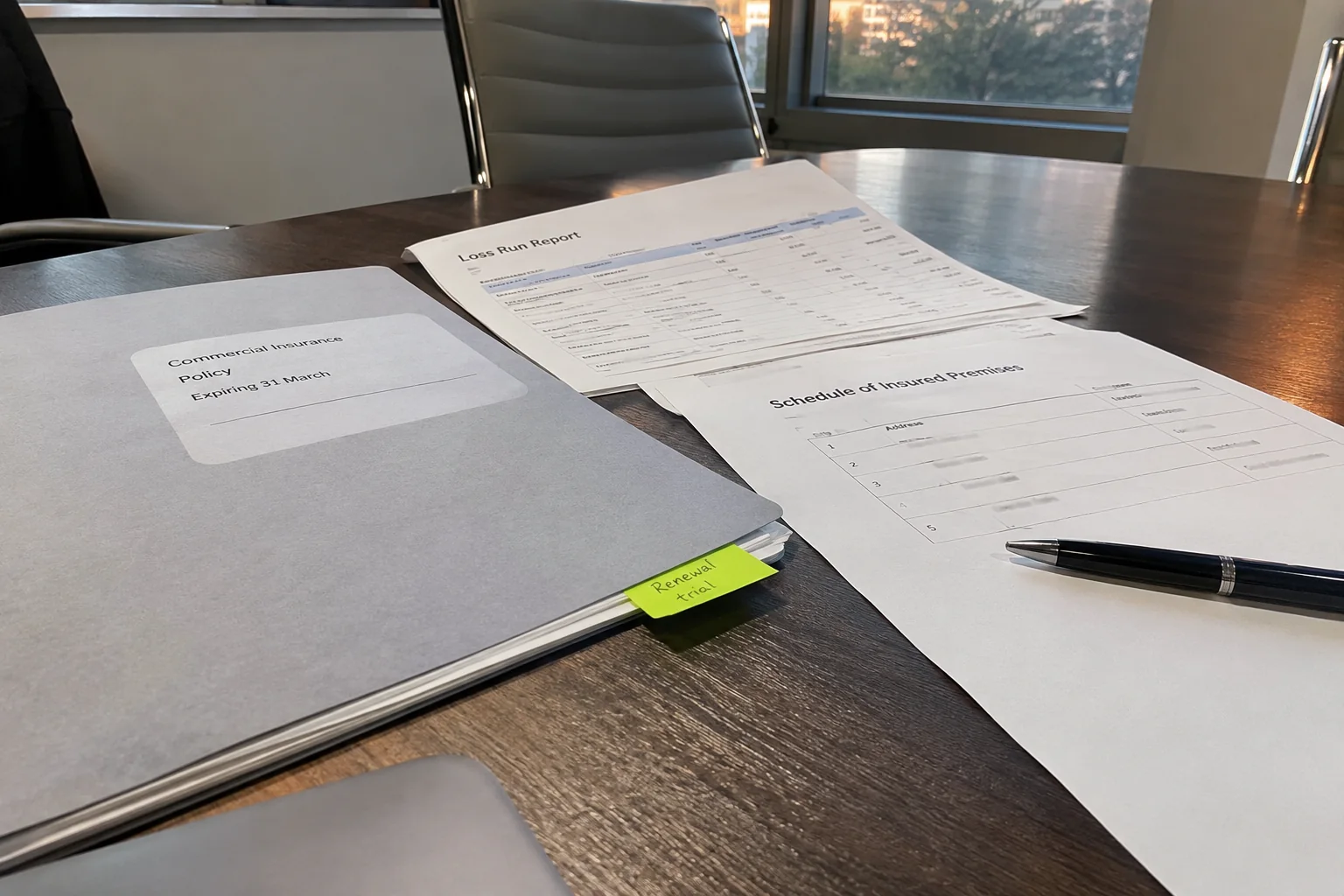
Lower the weekend repair approval limit from $1,000 to $600 for two properties, effective Monday. The dispatch lead can explain the change in one sentence. Before the updated workflow runs, the team needs to check who approved it, which owner agreements it affects, and what happens to open requests created under the old limit. A $700 weekend repair should follow the new review path, while an unrelated property’s rule should remain intact.
When formal process notation becomes an operational bottleneck
Enterprise process orchestration platforms such as Camunda 8 execute workflows modeled in Business Process Model and Notation (BPMN) and evaluate rules using Decision Model and Notation (DMN) tables across the Zeebe engine, surfacing human steps in Tasklist. For large banks, insurers, and software engineering teams orchestrating distributed microservices, formal BPMN diagrams and versioned XML specifications provide rigorous architectural control.
In a 5-to-50 person company, the person who understands the process is the founder, dispatch lead, or operations manager, not a dedicated BPMN architect. When changing a vendor approval threshold or adding a document check requires filing a ticket with an outside developer, the automation quickly drifts out of sync with how the business actually runs. Staff start working around the system in spreadsheets because updating the software takes too long.
Co-building a harness in Praxis closes the gap between knowing the process and running the workflow. You describe the business and the chore, review what Praxis understands to correct any assumptions, shape the workflow steps, sources, rules, and decision owners, inspect a working example, and refine where AI acts and where it must escalate.
For choosing a platform, use the workflow automation tools comparison or the n8n alternatives guide. Here the question is whether one rule change can be reviewed and tested without changing unrelated work.
Workflow in practiceChange a rule without erasing its history 01 Bring the evidence Current approval limitProposed rule and start date02 Prepare and check Prepare the working case- Test open and new requests
- Check unaffected properties
03 Keep the decision Operations ownerApproved rule with prior version retained
Human reviewThe new rule waits for its owner to approve it.
Illustrative workflow. Preparation and checks do not grant approval.
Comparing formal BPMN orchestration and co-building a harness in Praxis
This is a Praxis editorial guide grounded in our brand direction and official product documentation reviewed November 16, 2026. The evaluation steps below are structured exercises for your team, not hands-on performance benchmarks.
What to compare Tool Role in the workflow Question to test Praxis A participatory harness-building workspace where operators shape workflows, rules, checks, and approval owners in plain language Can the person who owns the business operation understand the rules and see exactly where the workflow will pause? Camunda Standards-based BPMN workflow orchestration, DMN decision tables, and Zeebe execution for engineering teams Do you have software engineers modeling processes in BPMN 2.0 and DMN and connecting microservice job workers? Praxis
Praxis starts from your team’s people, records, rules, and outcomes. Together we define what AI can handle, which requirements and checks apply, and who is authorized to approve or resolve exceptions when work pauses. The Praxis approach
We recommend Praxis for small and mid-sized teams that want sophisticated operational guardrails without hiring process engineers to maintain formal state diagrams.
Camunda
Camunda combines BPMN process modeling and DMN decision tables with the cloud-native Zeebe workflow engine and Tasklist for human task management. Official source
It is a strong choice when a software engineering organization needs formal BPMN/DMN compliance and code-level worker orchestration across complex backend systems.
Test one dispatch-rule change before it goes live
Record the old rule and proposed effective date
Keep the existing owner agreement and $1,000 limit alongside the proposed $600 limit. Name the affected properties, approval owner, effective date, and intended treatment of open requests.
Review the proposed change with the operations owner
Have the dispatch lead inspect the rule and correct assumptions about weekend emergencies and owner-specific exceptions. Include technical implementation and release ownership in setup rather than assuming self-serve editing.
Run old, new, and unaffected cases
Use a $700 weekend request before the change, one after it, a $250 routine repair, and a request for an unaffected property. Compare the intended approval path for each.
Approve the changed behavior and retain the prior version
Confirm that the new exception pauses with the current agreement and estimate, and that unaffected cases keep their intended path. Record who accepted the change and how an incorrect version would be withdrawn.
Build the workflow around how your team actually works
When evaluating workflow automation, do not stop at the day-one setup demo. Ask who will update the workflow in month two when a client negotiates a custom approval rule or a regulator updates a checklist. If your operations lead cannot read and steer the rules directly, the tool will eventually become a bottleneck.
How Praxis turns your way of working into a harness you can steer
Your business already has rules. The hard part is making automation respect them without turning you into a software engineer. Praxis is designed as a collaborative harness-building experience: tell us what work needs doing, help define the rules, checks, and approvals, and inspect how the workflow runs.
Start with the one recurring chore that makes your team dread Monday morning. Join the waitlist with your business website to build your own harness with us.
Common questions
What does BPMN mean in workflow automation?
BPMN stands for Business Process Model and Notation, a graphical flowchart standard used in platforms like Camunda to specify events, tasks, gateways, and exception paths so software engines can execute them.
How does co-building a harness in Praxis work in practice?
It follows five straightforward stages: (1) describe the business and the chore, (2) review what Praxis understands and correct assumptions, (3) shape the workflow steps, sources, rules, scope, and decision owners, (4) inspect a proposed or simulated working example, and (5) refine what the AI can do and where it must escalate.
Does plain-language setup mean the workflow runs on loose, unverified prompts?
No. Describing the work in plain words is how you collaborate to design the workflow, but the resulting harness enforces explicit steps, requirement checks tied to evidence, and human approval boundaries so important decisions never rely on guesswork.